The question I hear most before a branding session is not really “What should I wear?” It is “How do I make sure these photos actually feel like me?”
That is the right question. A strong branding gallery should give you useful images for your website, social media, announcements, speaking opportunities, and everyday marketing—without making you look like you are playing a character. The best preparation is not bringing everything you own. It is choosing a few things that clearly show who you are, what you do, and how you want clients to feel when they find you.
Start with where the photos will be used
Before choosing outfits or props, make a short list of the places that need new images. Think about your website home page, about page, social profiles, email signature, Google Business Profile, printed materials, and any upcoming launch or promotion.
Then note the shape each space needs. A website banner usually needs a wide image with room for text. A profile image needs to work in a small square or circle. Social posts benefit from both vertical and horizontal options. Knowing this ahead of time helps us create variety on purpose instead of hoping one photograph can do every job.
If your website is being redesigned, screenshots or simple mockups are helpful. They do not need to be polished. Even a note that says “photo on the right, words on the left” gives us useful direction.
Bring outfits that support your brand—not a costume
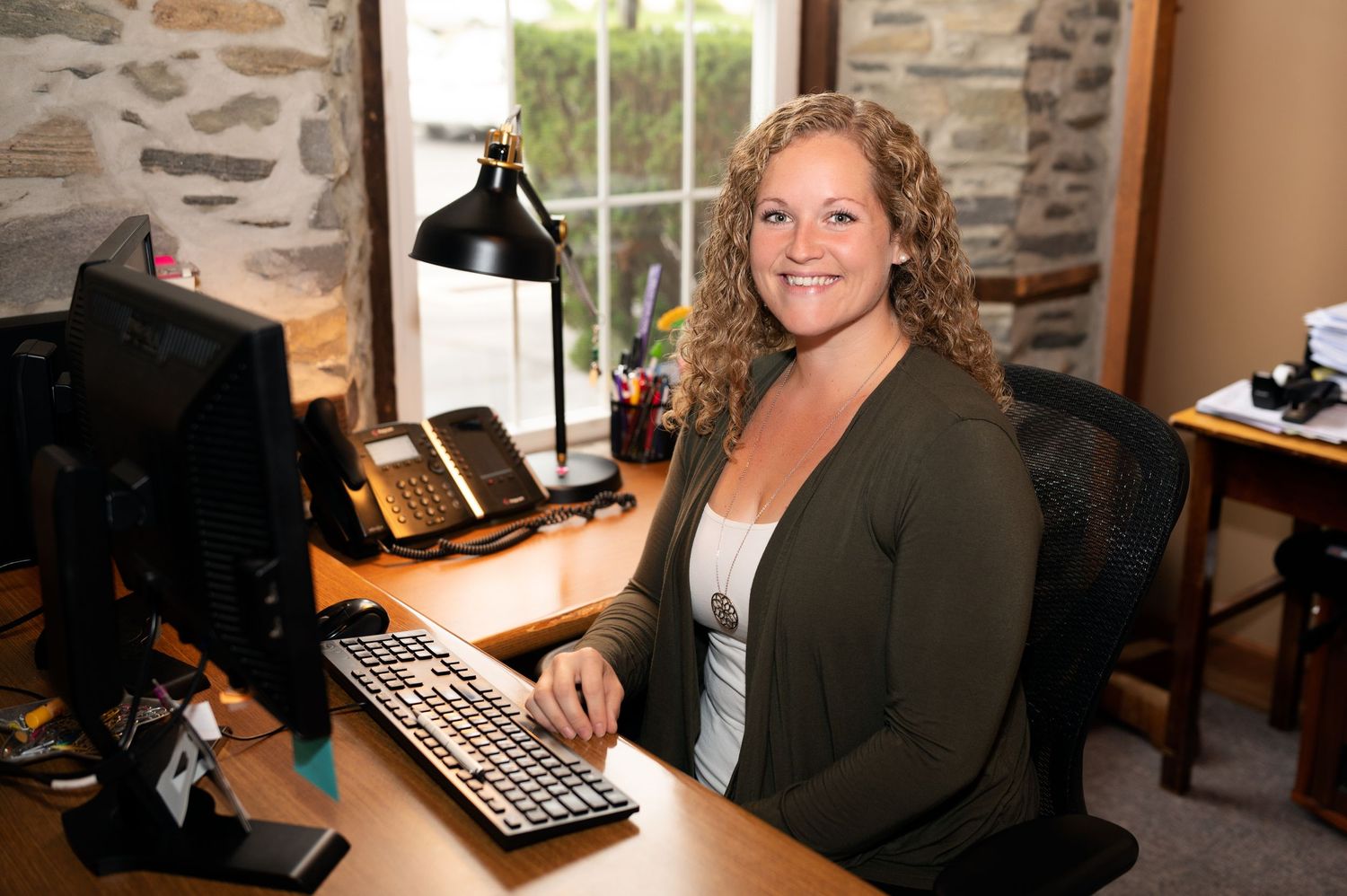
Choose clothing that feels like the best version of what you already wear. If clients normally meet you in relaxed, approachable clothes, an overly formal outfit may feel disconnected. If your work calls for a polished presence, structured pieces may make sense. Comfort matters because discomfort shows quickly in posture and expression.
A practical outfit plan usually includes one dependable foundation and a few easy changes: a jacket, sweater, overshirt, scarf, or different pair of shoes. That creates visual range without spending the session changing clothes. Bring only the number of complete outfits your chosen collection allows, plus one backup if you are unsure about fit or weather.
Small, high-contrast patterns can be distracting on camera. Solid colors, subtle texture, and layers tend to photograph well. Your clothing does not have to match your logo exactly, but it should live comfortably beside your brand colors.
Choose props that explain something real
A prop earns a place in your session when it helps a potential client understand your work. A laptop, notebook, product sample, favorite tool, camera, packaging, sketchbook, or materials used in your process can make sense. Random coffee cups and decorative objects do not automatically make a photograph feel personal.
Ask yourself: “Would I actually use this while working?” and “Will this help someone understand what I offer?” If the answer is no, leave it home. One meaningful tool will usually tell a stronger story than a table full of objects.
Build a short, prioritized shot list
A shot list is useful when it names a purpose rather than a pose. Instead of writing “standing by a wall,” write “friendly headshot for my about page” or “wide horizontal image with space for website text.”
A well-rounded list might include:
• A clean, welcoming headshot
• A relaxed three-quarter or full-length portrait
• A wide image with negative space for a website banner
• Vertical photographs for social media
• Working images that show your process
• Close details of hands, tools, products, or materials
• A few expressions ranging from polished to playful
Mark the three photographs you need most. We can always create more, but the priority list protects the images that matter if time, weather, or a location change requires us to adjust.
Prepare your details the day before
Try on every outfit from head to toe. Sit, stand, and move in it. Steam clothing, clean shoes, remove tags, charge devices, and organize props in one container. If you are bringing products, choose clean examples with current packaging. Put small essentials—lip color, a brush or comb, blotting papers, lint roller, water, and safety pins—in a separate easy-to-reach bag.
If you wear glasses, clean them before the session. If you are planning a haircut, facial, or new beauty treatment, avoid scheduling a dramatic change immediately beforehand. Familiar usually feels more confident than brand-new.
Plan for Connecticut weather without panicking
Outdoor branding photographs can be beautiful, but New England weather does not always follow the plan. Bring a layer that works with your outfit, comfortable shoes for walking between spots, and weather-appropriate backups. A cloudy day can give us soft, flattering light; a location pivot does not mean the session has failed.
If your work is primarily indoors, your studio, office, shop, or another space connected to your business may tell the story more clearly than a generic outdoor setting. The location should support your message, not compete with it.
What you do not need to bring
You do not need a perfect script, professional modeling experience, or a completely finished brand. You also do not need to arrive with dozens of poses saved on your phone. A few visual references can help communicate a mood, but your session should still look like you.
Come with clear priorities and room to collaborate. I will guide you through posing, movement, expression, and small adjustments so you are not left wondering what to do with your hands.
A simple final checklist
• Your three most important image needs
• Your approved outfits and one sensible backup
• Only the props that genuinely connect to your work
• Brand colors, website screenshots, or layout notes
• Touch-up items, water, and comfortable walking shoes
• Current products, tools, or packaging if relevant
The goal is not to create a false version of your business. It is to make your real work easier to recognize and trust.
You can explore my portfolio, review session investment information, or start planning your Connecticut branding session. Tell me where the images need to work, and we can build the session around that.