“Do we really need eight hours?” is one of the most practical questions couples can ask before booking wedding photography. More coverage is not automatically better, and fewer hours are not automatically a compromise. The right amount depends on the story you want photographed, the locations involved, and how much breathing room your timeline needs.
For Connecticut weddings, the most common choices are six, eight, or ten hours. Here is how to decide without paying for time you will not use—or discovering too late that the moments you care about fall outside your coverage.
START WITH THE MOMENTS, NOT THE NUMBER
Before comparing packages, list the parts of the day you would be genuinely sad not to have photographed. That list might include getting ready, a first look, the ceremony, family portraits, wedding-party portraits, sunset photos, entrances, first dances, toasts, cake cutting, or time on the dance floor.
Then add the practical pieces: travel between locations, time for people to gather, and a little margin when the day runs behind. Wedding timelines rarely unfold to the exact minute. Good coverage should give you enough structure to feel organized without making the entire day feel like a photo shoot.
WHEN SIX HOURS CAN BE ENOUGH
Six hours can work beautifully for an intimate wedding, a shorter celebration, or a day when the ceremony and reception happen in one place. It is often a good fit when you want the heart of the day documented but do not need extensive getting-ready coverage or a long stretch of open dancing.
A six-hour timeline might begin near the end of getting ready, include the ceremony, portraits, entrances, dinner, and the first major reception events. The exact order depends on your schedule and the season. In late fall and winter, an earlier sunset may mean planning portraits before the ceremony or moving quickly afterward.
Six hours becomes harder when there are multiple locations, a long ceremony, a large family portrait list, or a significant gap before the reception. If those pieces are part of your day, the timeline can start feeling rushed.
WHY EIGHT HOURS IS THE MOST FLEXIBLE CHOICE
Eight hours is the comfortable middle for many full wedding days. It usually allows for meaningful getting-ready photographs, the ceremony, family and wedding-party portraits, couple portraits, and the key reception traditions without squeezing every transition.
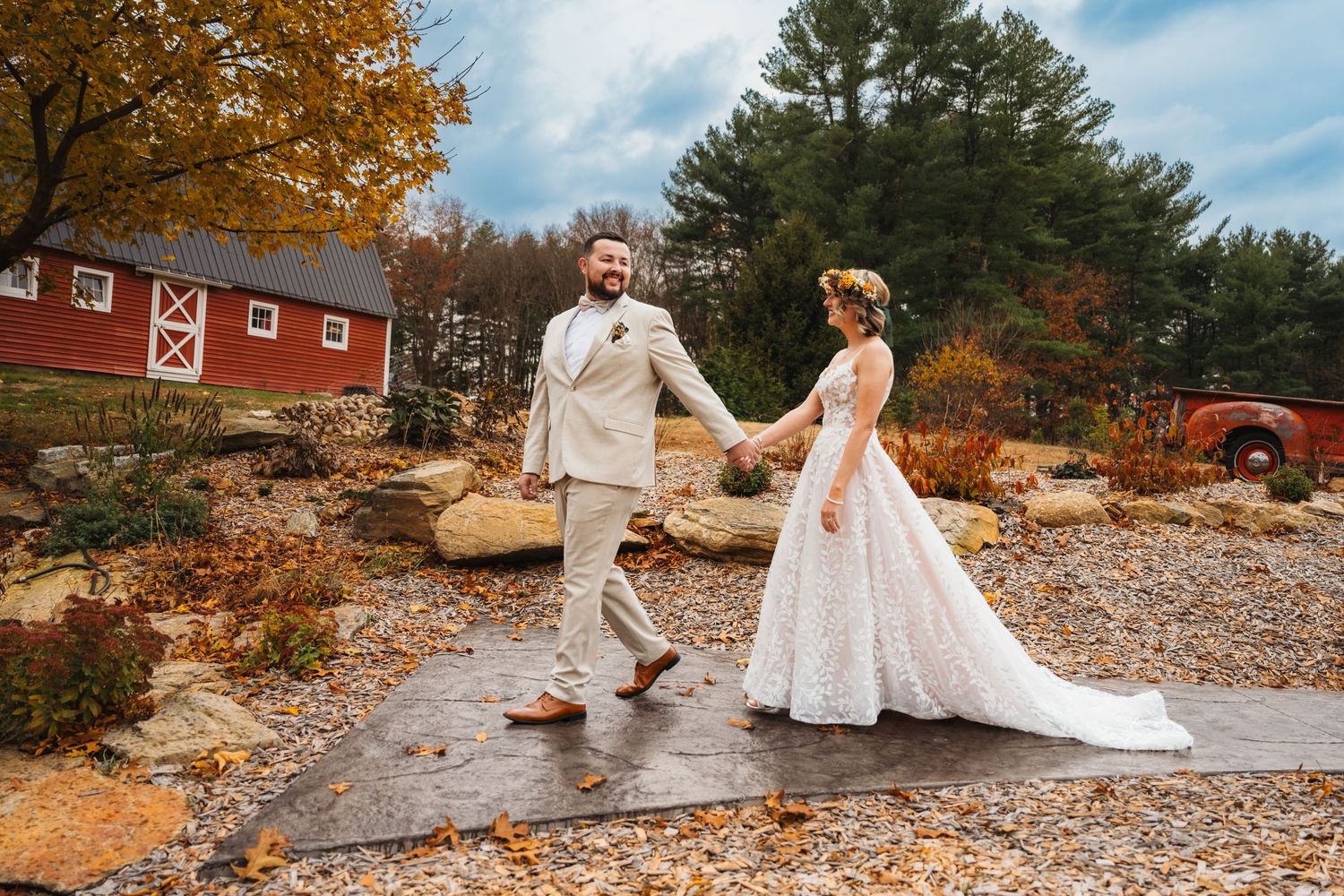
This amount of coverage is especially useful when the ceremony and reception are in different locations or when you want time for a first look. It also creates room for the small moments that cannot be scheduled: a parent’s reaction, a quiet conversation, someone fixing a veil, or the laughter between formal photographs.
Eight hours does not mean every second needs to be packed with planned images. The value is often in having enough space for the day to feel natural.
WHEN TEN HOURS MAKES SENSE
Ten hours is best for a long wedding day with multiple locations, extensive preparation, a larger wedding party, or several important reception events spread throughout the evening. It can also be the right choice when you want both early getting-ready storytelling and plenty of dance-floor coverage.
Longer coverage is not only about receiving more photographs. It can reduce pressure. Travel time, transportation delays, receiving lines, outfit changes, and large family groupings all take longer than they appear on paper. With ten hours, those transitions are less likely to force you to choose between portraits and being present with your guests.
For Amber Axtell Photography, the ten-hour Heirloom wedding collection also includes a second licensed and insured photographer. A second perspective can be especially helpful when important moments happen in different places or when you want broader ceremony and reception coverage.
BUILD YOUR TIMELINE BACKWARD
A simple way to estimate your coverage is to work backward from the last event you definitely want photographed. If you care about cake cutting and open dancing, note when those are scheduled. From there, account for dinner, toasts, entrances, portraits, the ceremony, travel, and getting ready.
Also check the sunset time for your wedding date. Connecticut light changes dramatically by season, and sunset portraits need to be planned rather than assumed. If the ceremony ends after dark, a first look may be the easiest way to create relaxed outdoor portraits in natural light.
Do not forget travel. A twenty-minute drive is rarely only twenty minutes on a wedding day. People need to gather belongings, load vehicles, find parking, and settle into the next location. Building that reality into the plan protects the photographs and lowers stress.
LEAVE ROOM FOR PEOPLE TO BE PEOPLE
The best timeline is not the one with the most items. It is the one that lets you experience your wedding while still making space for the photographs that matter.
Families arrive late. Buttons break. Bouquets are delivered to the wrong room. A ceremony runs longer than expected. None of that means the day is ruined. A thoughtful timeline includes enough margin that one small delay does not create a chain reaction.
When we plan together, I want to know what matters most to you—not just what a generic wedding checklist says should matter. Some couples care deeply about quiet preparation and family reactions. Others want a shorter formal-photo window and more reception coverage. Your priorities should shape the hours.
THE SIMPLE ANSWER
Choose six hours for a streamlined or intimate celebration in one location. Choose eight hours for a balanced full-day story with comfortable transitions. Choose ten hours when your day is longer, more complex, or when you want both early preparation and a strong reception story.
If you are still unsure, you do not need to solve the timeline before reaching out. Review the wedding collections at https://www.amberaxtell.com/investment/ and see recent couples and wedding work at https://www.amberaxtell.com/couples-weddings/. When you are ready, share your date, locations, and the moments you care about most at https://www.amberaxtell.com/book/. I can help you choose coverage that fits the day you are actually planning—not a one-size-fits-all version of it.